
by Clear Path Intervention
Share
by Clear Path Intervention
Share

In the current landscape of 2026, we are witnessing a significant rise in “Silver Suicides” and late-onset substance abuse. For many seniors, the combination of retirement, social isolation, and the loss of peers creates a perfect storm for alcohol or prescription medication dependency.
At Clear Path Intervention, we understand that an elderly alcoholic intervention requires a fundamentally different approach than one for a younger adult. It is less about “tough love” and more about preservation of dignity, safety, and medical stability.
Why Senior Addiction Goes Unnoticed
Addiction in the elderly is often called the “Invisible Epidemic” because its symptoms mimic the natural process of aging. Families often overlook the signs, attributing them to “slowing down” or early-stage cognitive decline.
The Overlapping Symptoms:
-
Unexplained Falls: Often dismissed as balance issues, but frequently caused by daytime drinking or medication interactions.
-
Memory Gaps: Mistaken for “senior moments” or early dementia, when they are actually alcohol-induced blackouts.
-
Social Withdrawal: Believed to be depression from aging, but often a way to hide the frequency of use.
The Medical Stakes of Late-Onset Use
For a senior, the biological “margin for error” is razor-thin. A high-functioning 40-year-old might survive a decade of heavy use; for a 70-year-old, the same level of consumption can lead to immediate organ failure or a fatal fall.
Our NCIP certified recovery coaches work closely with geriatric specialists to ensure that any elderly alcoholic intervention includes a comprehensive medical plan. We prioritize facilities that understand the complexities of “Polypharmacy”, the interaction between alcohol and common senior medications like blood thinners or heart medicine.
Changing the Conversation Respect Over Reprimand
Seniors often feel they have “earned the right” to drink after a lifetime of hard work. A confrontational intervention can lead to deep-seated shame and further isolation.
We utilize a Legacy-Based Approach. Instead of focusing on the “wrongness” of their behavior, we focus on the quality of the time they have left. We frame the intervention as a way to ensure they are fully present for their grandchildren’s milestones and to prevent a medical crisis that could strip them of their independence.
The Role of Safe Sober Transport for Seniors
Logistics are a major barrier for elderly clients. The fear of an unfamiliar environment or the physical toll of travel can lead to immediate refusal.
Our safe sober transport services provide a concierge-level experience for seniors. We ensure the transition is comfortable, medically supervised if necessary, and conducted with the utmost discretion. This specialized care helps reduce the anxiety that often triggers a “fight or flight” response during the intervention process.
Supporting the Adult Children
Intervening on a parent is a traumatic role reversal. Many adult children feel guilty or “disrespectful” for challenging their mother or father. Understanding the family’s role in addiction recovery is vital here; setting boundaries isn’t an act of betrayal it is the highest form of honor for an aging parent’s health.
As a professional interventionist, we act as the neutral third party, taking the “villain” role away from the children so they can remain the supportive pillars their parents need.
Conclusion: It is Never Too Late for a New Chapter
The belief that “it’s too late to change” at 70 or 80 is a myth. We have seen seniors reclaim years of vibrant, clear-headed life after addressing their dependency. By choosing a specialized elderly alcoholic intervention, you are giving your loved one the gift of a safe and dignified legacy.
Explore what happens after an intervention to understand how we support the transition into age-appropriate care.
Don’t wait for a fall to be the final word. Contact Clear Path Intervention today for a sensitive, professional consultation regarding your aging loved one.
HELP IS AVAILABLE
Do You Have a Loved One Struggling with Addiction or Mental Health Issues?
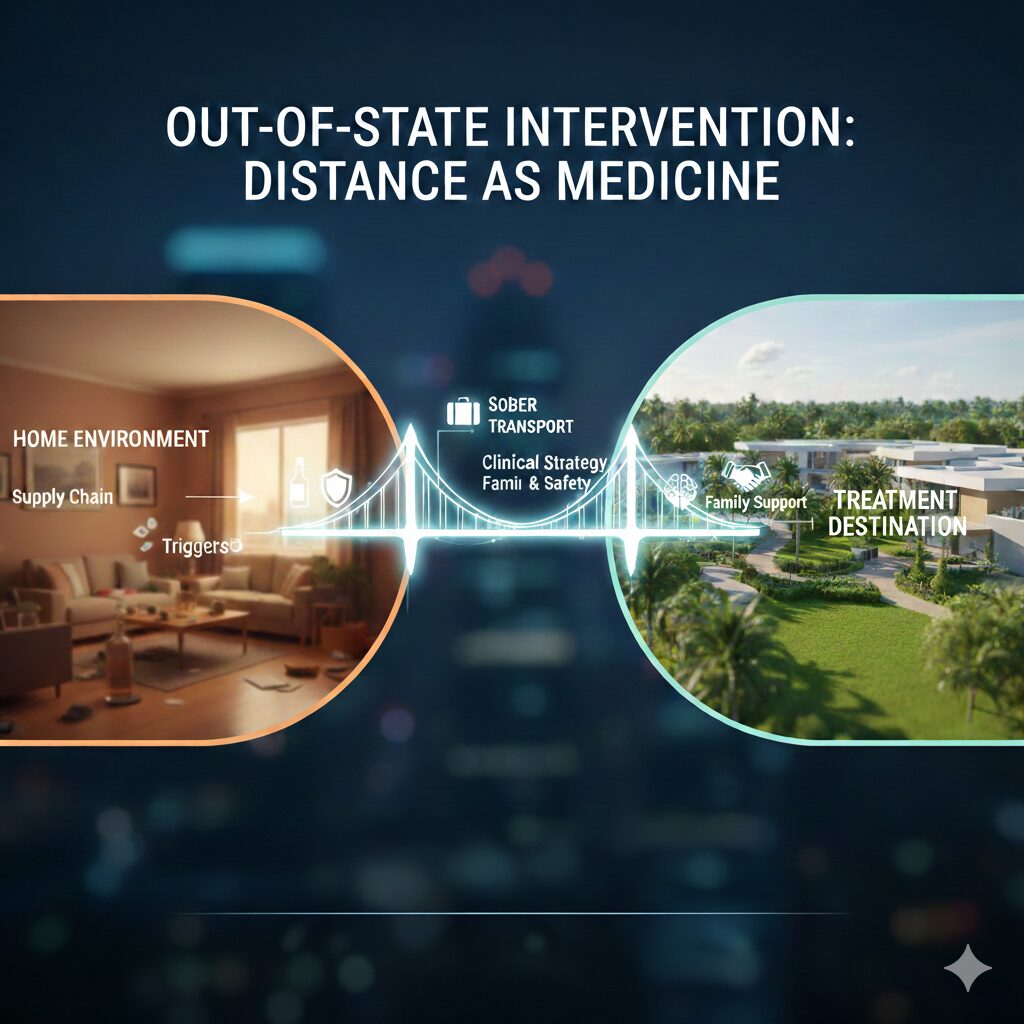
One of the most common questions we receive is: “Does the intervention have to happen where the treatment center is located?” The answer is a resounding no. In fact, in 2026, some of the most successful recoveries begin with an out-of-state intervention. At Clear Path Intervention, we specialize in the complex logistics of national interventions. […]
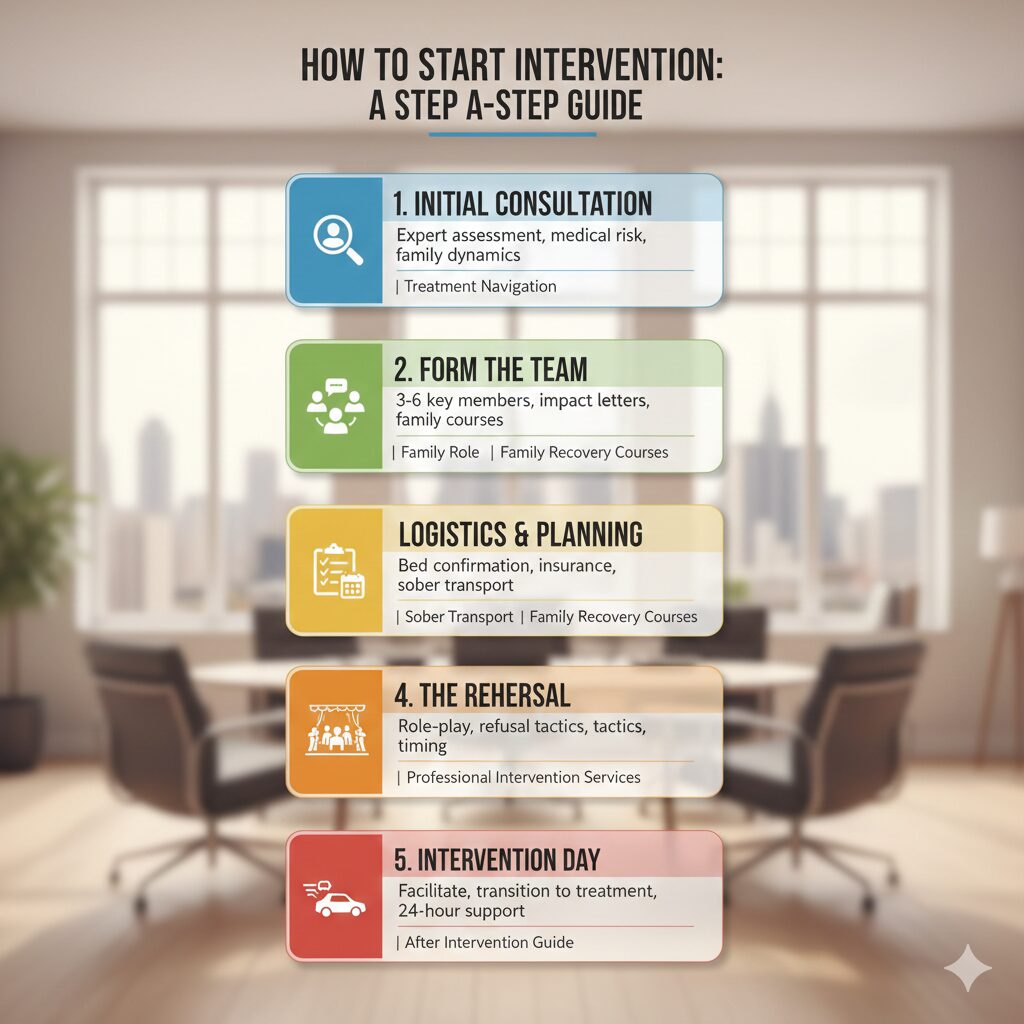
When the decision is finally made to help a loved one caught in the grips of addiction, the momentum is often high, but the “how-to” can feel overwhelmingly complex. You know they need help, and you know you can’t keep living like this but where do you actually begin? The path from crisis to recovery […]

One of the most profound barriers to seeking professional help for addiction is guilt. Families often feel like they are “sneaking behind a loved one’s back” or “plotting against them.” They worry that the intervention will be seen as a betrayal of trust, a permanent stain on their relationship that can never be washed away. […]
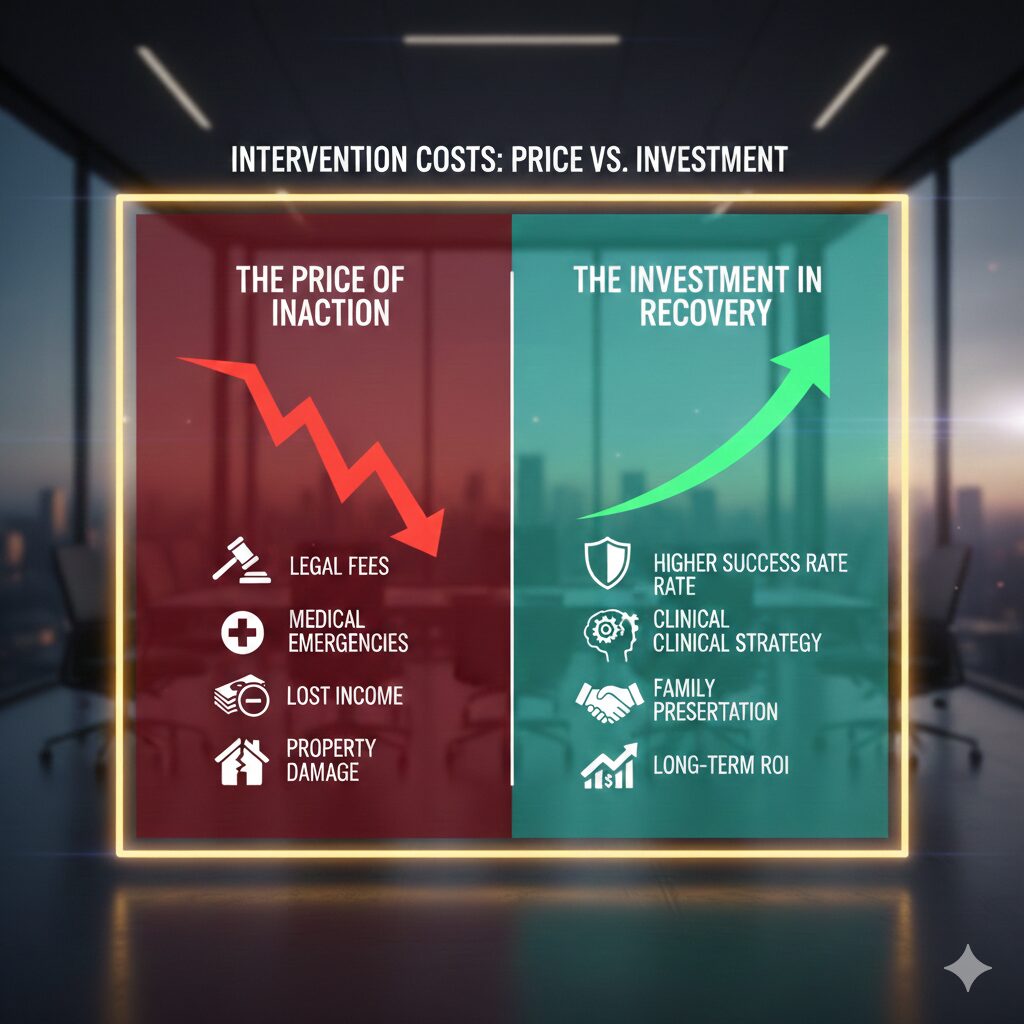
When a family reaches out to the specialists at Clear Path Intervention, one of the most immediate and practical questions is: “How much is this going to cost?” It is an entirely fair question. Families facing the storm of addiction are often already under immense financial strain weathering legal fees, mounting medical bills, and the […]