The same pride that holds a unit together through unimaginable hardship can prevent a veteran from ever asking for help when they return home carrying wounds no one can see.
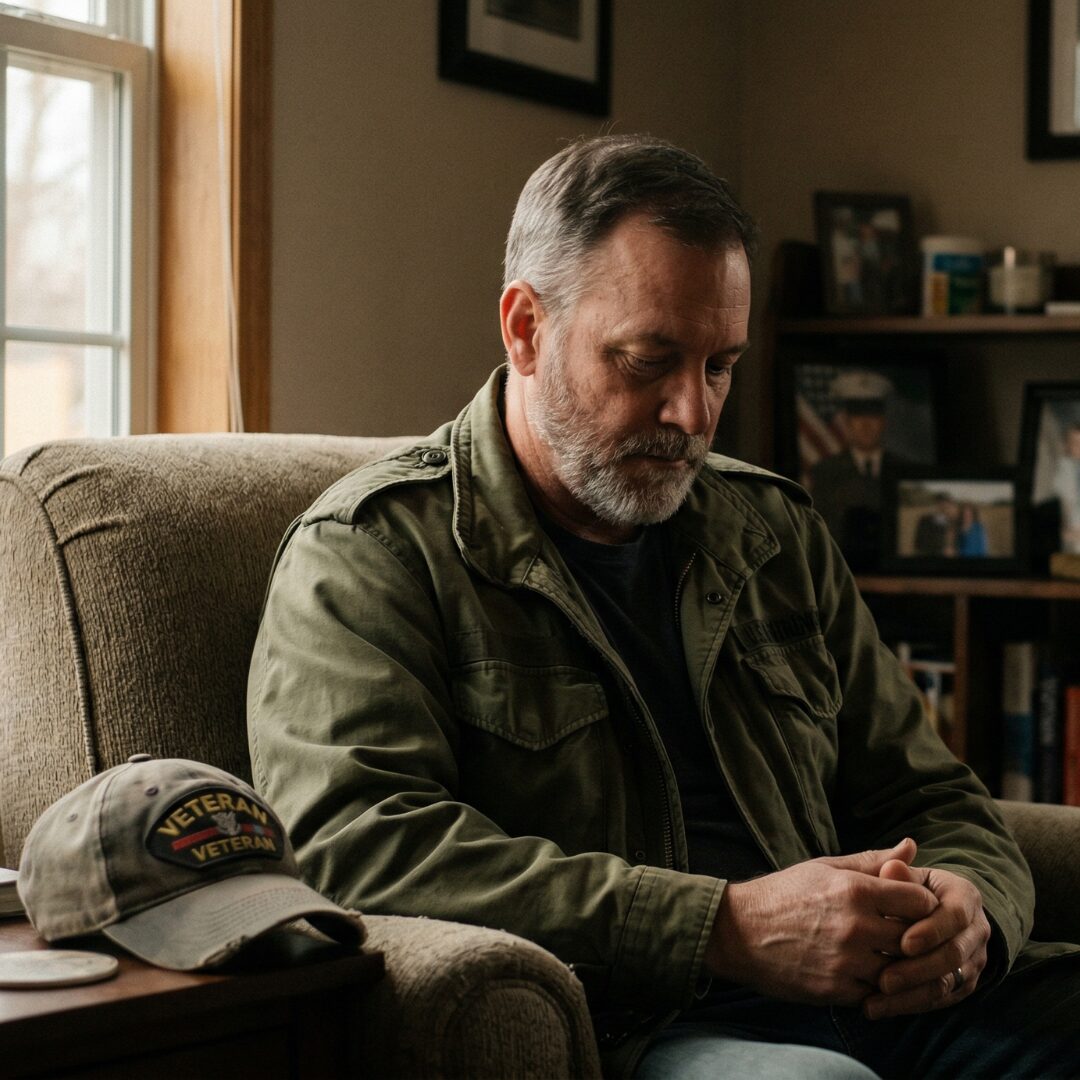
There is a particular kind of pride that runs through every branch of the United States military. It is the same pride that drives young men and women to run toward danger when every human instinct tells them to run away. It is the pride that holds a unit together through unimaginable hardship. And, tragically, it is the same pride that can prevent a veteran from ever asking for help when they return home carrying wounds that no one can see.
At Clear Path Intervention, we work with families across the country who are watching a veteran, a father, a mother, a son, a daughter, disappear behind addiction. The substance might be alcohol, prescription opioids, methamphetamine, or a combination of all three. But the root cause, and the barriers to treatment, are often uniquely military in nature. This guide is for the families who love a veteran and are ready to take action.
The invisible wounds of combat. Post-Traumatic Stress Disorder (PTSD) affects an estimated 11 to 20 percent of veterans who served in Operations Iraqi Freedom and Enduring Freedom. Traumatic Brain Injury (TBI), often called the 'signature wound' of the post-9/11 era, affects hundreds of thousands of returning service members. Both conditions, PTSD and TBI, dramatically increase the risk of substance use disorder.
For many veterans, alcohol and drugs become a form of self-medication. The hypervigilance that kept them alive in a combat zone doesn't simply switch off when they land back on American soil. Alcohol dulls the nightmares. Opioids numb the physical and emotional pain. Stimulants fill the adrenaline void that civilian life cannot replicate. What begins as coping becomes dependency, often within months of returning home.
The culture of silence. Military culture is built on strength, self-reliance, and mission completion. Asking for help, especially for something as stigmatized as mental health or addiction, can feel like a fundamental betrayal of everything the military trained a veteran to be. Phrases like 'suck it up,' 'drive on,' and 'embrace the suck' are not just sayings; they are deeply internalized survival mechanisms that directly conflict with the vulnerability required to accept help.
This culture of silence is compounded by a very real fear: many veterans genuinely believe that admitting to addiction or mental health struggles will cost them their security clearance, their benefits, or their career in the reserves. These fears, whether accurate or not, create a powerful internal barrier that a family or even a general-practice therapist is often ill-equipped to overcome.
The access problem. Veterans returning from service are often prescribed opioids at staggeringly high rates for combat-related injuries. The pipeline from legitimate pain management to opioid dependency is well-documented and tragically common. Many veterans cycle through multiple VA prescribers, obtain additional medications from civilian doctors, or transition to street-sourced fentanyl when prescriptions are cut off. Families watch this progression in horror, often not realizing that professional intervention can stop the cycle.
Families often hesitate to act because they are unsure whether what they are witnessing constitutes a 'real' problem or whether they are overreacting. The following signs, particularly in combination, indicate that professional help is urgently needed:
That last point deserves direct attention. Veteran suicide rates are significantly higher than those of the general population. Addiction and suicidal ideation are deeply interconnected, and any indication that your veteran is struggling with thoughts of self-harm should be treated as an emergency. If your loved one is in immediate danger, call 988 and press 1 for the Veterans Crisis Line, or call 911.
A well-meaning family gathering where loved ones take turns expressing their concerns can be powerful for many people in the grip of addiction. For a veteran, it can be catastrophically counterproductive. Here is why.
The military mindset inverts pressure. Veterans are trained to perform under pressure, to resist interrogation, and to maintain composure when surrounded. An intervention that feels like an ambush, even a loving one, can trigger a stress response that looks like stonewalling, rage, or a complete emotional shutdown. The veteran may feel that they are being surrounded, evaluated, and found lacking. Their response is not defiance for its own sake; it is training.
Mission language and values must be central. A veteran-specific intervention speaks the language of duty, honor, and mission. We reframe treatment not as surrender, but as the most strategically sound decision available. We acknowledge their service, validate their experiences, and present recovery as the next mission, the one where the stakes are their family, their future, and their life. This is not manipulation; it is meeting a person in the framework that their entire adult identity is built within.
At Clear Path Intervention, our team understands that a veteran intervention is a specialized clinical undertaking. We do not send a generic interventionist to a veteran's home. Our approach includes:
Learn more about our mental health interventions and treatment navigation services.
The days immediately following an intervention are as critical for a veteran as they are for any individual, but with additional layers of complexity. Withdrawal from alcohol or opioids can be medically dangerous and must be supervised by clinicians who understand the interaction between substance withdrawal and PTSD symptoms. Nightmares and hypervigilance can intensify during early sobriety as the numbing effect of substances wears off.
This is why we emphasize placement in a treatment facility that specializes in dual-diagnosis care, specifically the intersection of trauma and addiction. EMDR (Eye Movement Desensitization and Reprocessing), Cognitive Processing Therapy, and other evidence-based trauma modalities must be part of the treatment plan, not an afterthought.
Our team maintains contact with the family throughout the treatment process, helping them understand what their veteran is experiencing, coaching them on family sessions, and preparing the home environment for the transition back. We also connect families with community resources, including family peer support programs specifically designed for military families in recovery.
If you are the spouse, parent, or child of a veteran struggling with addiction, your service is also real. The sleepless nights, the hypervigilance, the walking on eggshells: these are not overreactions. They are the natural response of a person who loves someone in crisis. You are not being dramatic. You are not betraying them by calling for help. You are completing the mission they started when they first swore an oath to protect the people they love.
The bravest thing your veteran might ever do is walk through the door of a treatment facility. Your job is to make sure that the door is open and that they have every reason to walk through it.
Contact Clear Path Intervention today at (850) 563-9776 for a confidential consultation. Let's build a plan that brings your loved one home.
Fear about clearances, benefits, and careers is one of the most common barriers we see, and it is often based on outdated or inaccurate assumptions. Part of our pre-intervention work is verifying VA benefits and treatment access in advance so the veteran can see a concrete, confirmed path rather than an abstract risk.
Treat it as an emergency. Call or text 988 and press 1 for the Veterans Crisis Line, or call 911 if there is immediate danger. Addiction and suicidal ideation are deeply interconnected in the veteran population, and any statement of hopelessness deserves an immediate, serious response.
One confidential conversation with a professional interventionist. No pressure, no obligation. We'll help you find the right next step for your family.