California just put 112 community organizations to work on opioid and stimulant overdose, from naloxone training to helping people find treatment. For families in Los Angeles, San Diego, and every town between them, that means more help close to home. It does not mean a loved one will reach for it on their own.
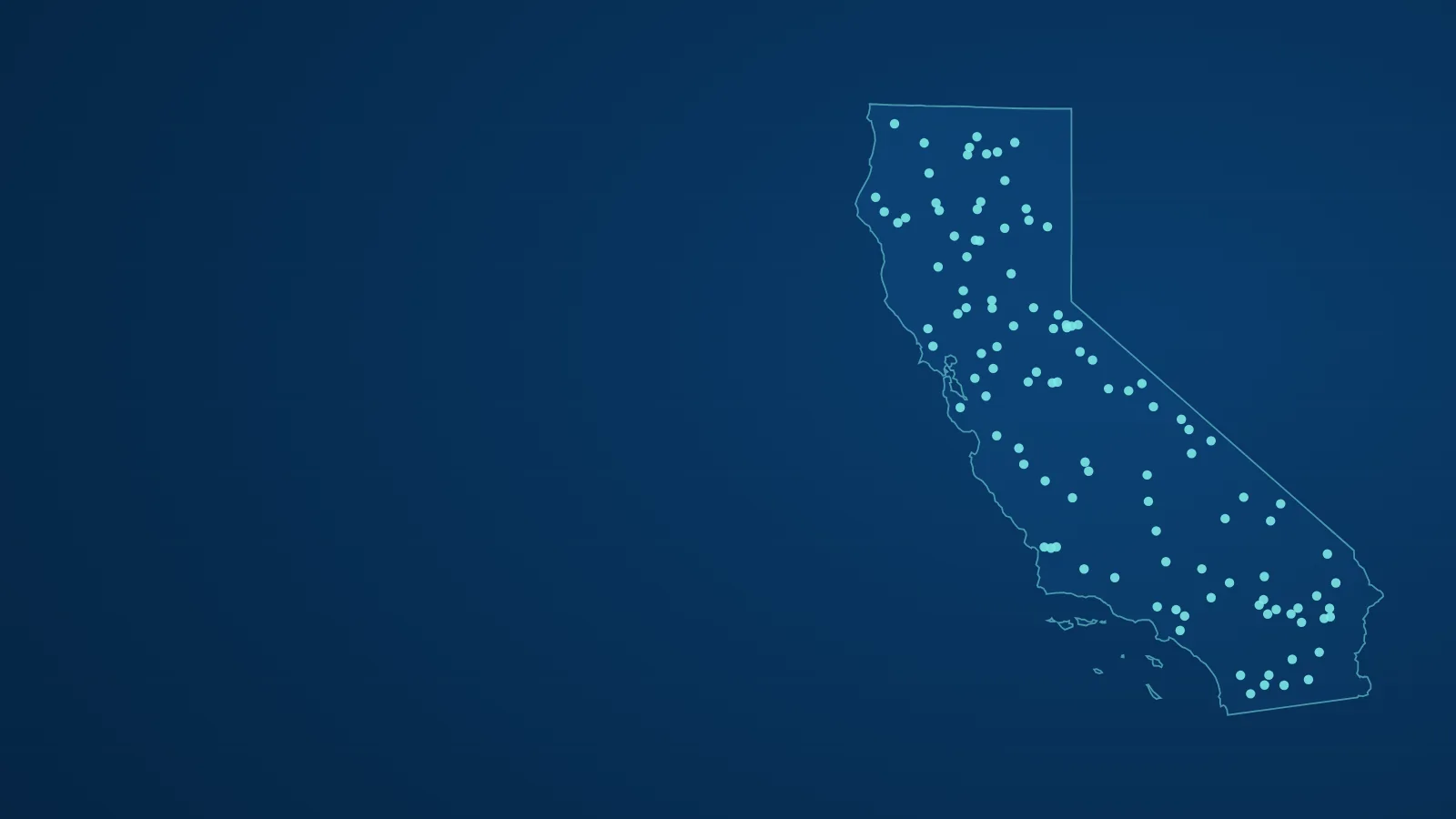
On October 30, 2026, the Governor’s Office announced that 112 community organizations will run outreach, naloxone training, and treatment navigation under California’s Opioid and Stimulant Use Disorder Prevention and Education Program, an investment of more than $21 million. The grants run from September 2026 through August 2027 and are funded by a federal State Opioid Response grant from SAMHSA.
The organizations will work in their own communities. According to the Governor’s announcement, the funding supports:
Department of Health Care Services Director Michelle Baass said the investments help local partners “meet people where they are, reduce stigma, and open doors to vital services.”
The program is named for opioids and stimulants together, and that is deliberate. Methamphetamine and cocaine are often found alongside fentanyl, and a person may not know what is in what they take. Naloxone reverses an opioid overdose. It does not reverse the effects of a stimulant on its own, though it is still the right first step whenever an opioid could be involved.
For families, that means a plan cannot stop at keeping naloxone in a drawer. It has to include a path into treatment.
“More outreach in more neighborhoods is good news. But the people closest to someone who is using are almost always their family, and most of the people we work with did not ask for help. The family is usually the first to see it, and the first who can do something about it.”
Brad Garraway, NCIP, NCRC, Founder, Clear Path Intervention
One
Keep naloxone where you live. Over-the-counter naloxone is sold at pharmacies, and the state’s CalRx naloxone program offers a lower-cost option. Make sure everyone in the house knows where it is.
Two
Use the state’s resource hub. Opioids.CA.gov collects prevention and treatment resources in one place.
Three
Treat a non-fatal overdose as urgent. Surviving one does not lower the risk of the next. It is often the clearest signal a family will get.
Four
Do not wait for them to be ready. Many people who need help resist it. Our article on why rock bottom is a dangerous myth explains why waiting usually makes things harder.
No single sign proves a problem, and every person is different. Families often describe patterns like these before they reach out:
Our guide to the signs a loved one needs an intervention covers these in more depth. If meth is involved, read how a meth intervention works and how to stay safe.
State programs open doors. An intervention helps a person who is not looking for the door. The family prepares together, a treatment placement is arranged in advance, and an experienced interventionist guides the conversation and what comes after it. You can read how the process works in what is a professional intervention.
“When a California family calls us, we start with what is happening at home: who is using, what has already been tried, and how urgent it feels. Then we talk through whether an intervention is the right next step and what treatment would fit.”
Chip Burson, Director of Operations, Clear Path Intervention
That 112 community organizations will deliver opioid and stimulant prevention, naloxone training, and treatment navigation through the Opioid and Stimulant Use Disorder Prevention and Education Program, from September 2026 through August 2027.
It is funded by a State Opioid Response grant from the federal Substance Abuse and Mental Health Services Administration (SAMHSA).
Naloxone reverses opioids. It does not reverse stimulants on their own, but because fentanyl is often mixed into other drugs, giving naloxone and calling 911 is still the right first step in any suspected overdose.
Call 911 in an emergency. Call or text 988 for the Suicide and Crisis Lifeline. To talk with an interventionist about a loved one, call Clear Path Intervention at (850) 563-9776.
Clear Path Intervention works with families in Los Angeles, San Diego, San Jose, Sacramento, Fresno, and every community in between. Learn more about our professional interventionists in California, or call (850) 563-9776 for a confidential conversation.
If someone is in immediate danger, call 911.
This article is for education and is not medical advice. Clear Path Intervention does not accept compensation from treatment centers. See our editorial policy.
One confidential conversation with a professional interventionist. No pressure, no obligation. We'll help you find the right next step for your family in California.