In the high-stakes world of 2026, the image of the “problem drinker” is being redefined. It's no longer just the person losing their job or their home.
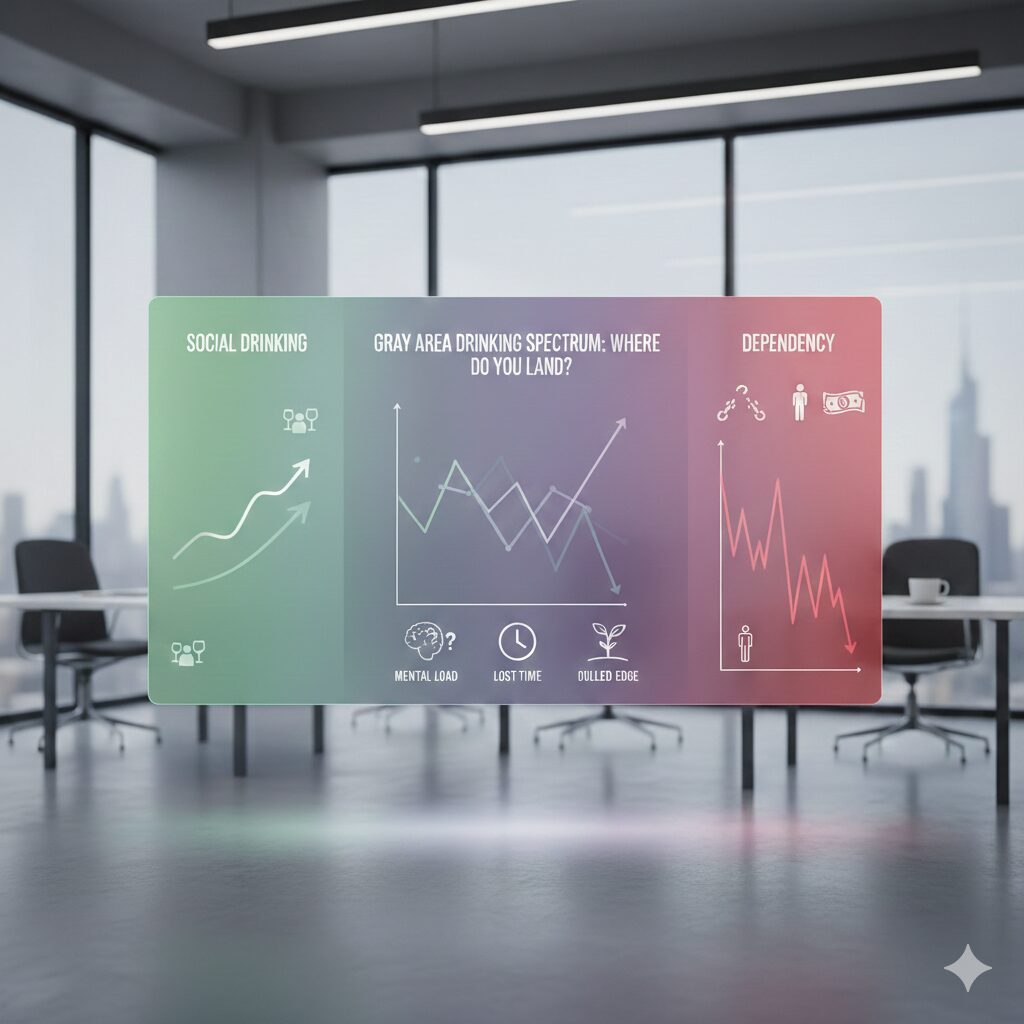
It's the executive who excels all day but relies on two or three heavy pours of scotch to "shut off" the brain at night. It's the "social" drinker who never misses a brunch but realizes they haven't had a sober weekend in three years.
This is Gray Area Drinking. It exists in the space between social drinking and clinical dependency, and it is the silent thief of professional longevity.
At Clear Path Intervention, we work with individuals who recognize that while they aren't "in the gutter," they are no longer at the top of their game. Our NCIP certified recovery coaches specialize in helping high-performers identify the tilt before it becomes a slide.
To understand Gray Area Drinking, you have to understand how the brain adapts to regular alcohol use. Many professionals use alcohol as a "chemical buffer" to manage the cortisol and adrenaline of a high-pressure career.
By 2026, we know that even "moderate" nightly drinking creates a rebound effect. As the alcohol leaves your system, your brain overcompensates by releasing glutamate (an excitatory neurotransmitter), leading to:
General research on alcohol's effects is available from the National Institute on Alcohol Abuse and Alcoholism.
Gray area drinkers are experts at hiding the problem, even from themselves. If you are questioning your habits, ask yourself these three "Performance Questions":
One of the biggest hurdles for the gray area drinker is the culture of "corporate drinking." Happy hours, client dinners, and celebratory toasts make alcohol feel like a job requirement. In the 2026 professional landscape, there is a growing "Sober Curious" movement, but the pressure to conform remains.
We provide family recovery coaching and individual mentorship to help you navigate these spaces without the liquid crutch. We teach you how to maintain your social influence and professional "cool" without a glass in your hand.
Sometimes, a gray area drinker knows they have a problem but lacks the spark to change because there is no "visible" crisis. This is where a Clinical Invitational Intervention can be transformative. It's not an ambush; it's a high-level consultation.
As professional interventionists serving all 50 states, we facilitate conversations that help the individual see the gap between who they are and who they could be. We often arrange safe sober transport services to wellness retreats that focus on neuro-regeneration and executive longevity rather than just "rehab."
The goal of addressing Gray Area Drinking isn't just "sobriety", it's sovereignty. It is about being the absolute master of your own mind and body. When you remove the gray area, you reclaim:
Gray area drinking is a spectrum, not a binary. You don't have to wait for a catastrophe to decide that you deserve a better version of yourself. The most successful people in 2026 are those who have the self-awareness to recognize when a habit has stopped serving them.
At Clear Path Intervention, we don't just help you stop drinking; we help you start living with more intention. By understanding what happens after an intervention, or even just a consultation, you can begin to map out a future where your success is fueled by your own clarity, not a temporary chemical escape.
Is it time to sharpen your edge? Contact us at (850) 563-9776 for a discreet consultation and let us help you move from the gray area into the light.
No. Gray area drinking sits between social drinking and clinical dependency. There may be no visible crisis, but the pattern still erodes sleep, mood, focus, and connection, and it tends to progress if ignored.
Often not. A Clinical Invitational conversation, essentially a discreet, high-level consultation, is usually the right first step for a high-functioning drinker who senses something is off.
One confidential conversation with a professional interventionist. No pressure, no obligation. We'll help you find the right next step for your family.