
by Clear Path Intervention
Share
by Clear Path Intervention
Share
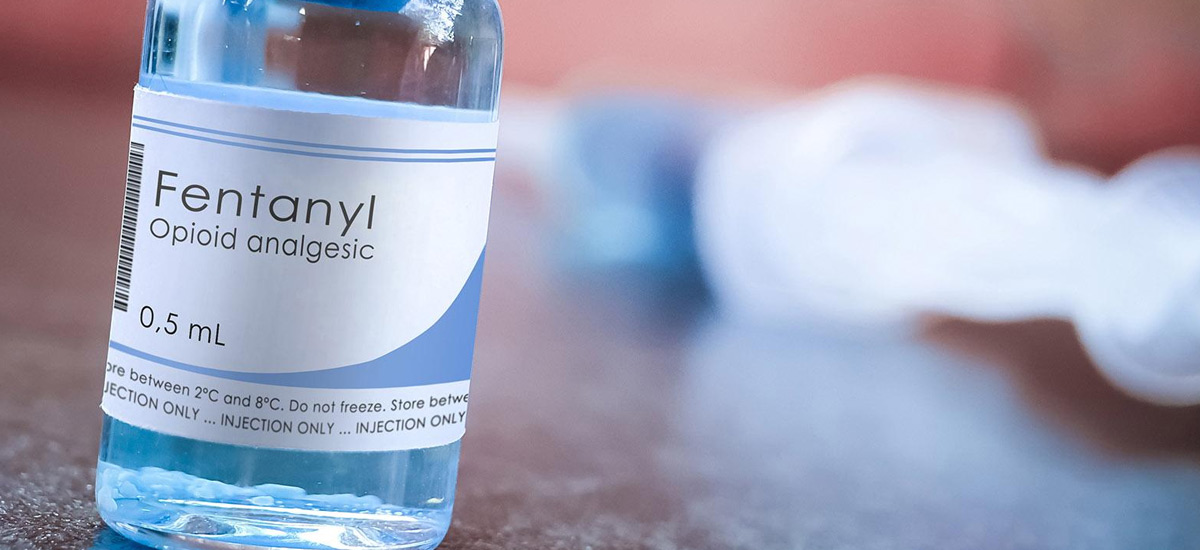
Fentanyl is a potent synthetic opioid that is used to manage severe pain. It is also one of the most addictive drugs available, and its misuse has caused an unprecedented increase in overdose deaths in recent years. In this blog post, we will explore the addictive qualities of fentanyl and the dangers of its use and misuse.
What is Fentanyl?
Fentanyl is a synthetic opioid that is similar to morphine but is 50 to 100 times more potent. It is typically prescribed to manage severe pain in patients who have built up a tolerance to other opioids or who are suffering from cancer-related pain. Fentanyl is also used in anesthesia and to manage pain in the emergency room.
How Fentanyl Works in the Brain
Like other opioids, fentanyl works by binding to specific receptors in the brain that are involved in the perception of pain and reward. When fentanyl binds to these receptors, it triggers the release of dopamine, a neurotransmitter that is associated with pleasure and reward. This release of dopamine is what makes fentanyl so addictive, as users begin to associate the drug with pleasurable feelings and seek out more of it.
How Potent is Fentanyl?
The potency of opioids is often expressed in terms of their relative potency to morphine, which is considered the benchmark opioid. For example, fentanyl is typically said to be 50 to 100 times more potent than morphine, which means that a much smaller dose of fentanyl is needed to produce the same level of pain relief as a larger dose of morphine.
To measure the potency of opioids, researchers will typically use a standardized method to administer the drug to study participants and then measure the resulting effects. This may involve measuring the level of pain relief achieved with different doses of the drug, or using other measures of the drug’s effects, such as respiratory depression or euphoria.
In clinical settings, the potency of opioids is used to help guide dosing decisions and to ensure that patients receive appropriate pain relief while minimizing the risk of side effects or overdose. However, it’s important to note that the potency of opioids can also make them more dangerous, particularly when they are misused or abused. Drugs like fentanyl are so potent that even a small amount can be lethal, which is why it’s critical to use these drugs only as prescribed and under the supervision of a healthcare professional.
The Risks of Fentanyl Use and Misuse
The addictive qualities of fentanyl make it a dangerous drug to use, particularly for those who do not have a legitimate medical need for it. When fentanyl is used inappropriately, such as when it is taken without a prescription or mixed with other drugs, it can lead to overdose and death.
One of the primary dangers of fentanyl is that it is often mixed with other drugs, such as cocaine or heroin, to increase their potency. This makes it difficult for users to know exactly what they are taking and how much of it, which can lead to accidental overdose. In addition, fentanyl is so potent that even a small amount can be deadly, making it one of the most dangerous drugs available.
The Cycle of Addiction
The addictive qualities of fentanyl can lead to a cycle of addiction that is difficult to break. As users become more and more dependent on the drug, they may experience withdrawal symptoms when they try to stop using it. These symptoms can be severe and include nausea, vomiting, muscle aches, and anxiety, among others.
The withdrawal symptoms of fentanyl can be so severe that users may feel like they have no choice but to continue using the drug in order to avoid them. This can lead to a cycle of addiction that is difficult to break, as users become more and more dependent on the drug to feel normal.
Fentanyl Addiction and Interventions
When dealing with opioid addiction in a family member, an interventionist can be a useful tool in helping the individual to seek treatment and recover from their addiction. Time is of the essence here, because as long as your loved one is using fentanyl, there is a strong chance they could overdose and end up in a fatal medical situation.
Interventions can be a powerful tool for helping individuals with opioid addiction to recognize the severity of their problem and to seek treatment. Opioid addiction is a chronic, relapsing disease, and many individuals may be in denial about the extent of their addiction or the harm it is causing to themselves and their loved ones. An intervention can help to break through this denial and help the individual to see the need for treatment.
In addition to guiding the intervention process, an interventionist can also help to connect the individual with appropriate treatment resources. Opioid addiction is a complex and difficult disease to treat, and it often requires a comprehensive approach that includes medications, counseling, and support. The interventionist can help the individual to find a treatment program that meets their unique needs and can provide ongoing support and guidance throughout the recovery process.
Ultimately, the decision to use an interventionist when dealing with opioid addiction in a family member will depend on the specific situation and the individual’s unique needs. It’s important to approach the situation with compassion, understanding, and a willingness to offer ongoing support and guidance, regardless of the outcome of the intervention.
Treatment for Fentanyl Addiction
Overcoming fentanyl addiction requires a comprehensive approach that includes detoxification, counseling, and support. Because of the severity of the withdrawal symptoms, it is recommended that users seek professional help when trying to quit the drug.
Detoxification involves the use of medications to manage the withdrawal symptoms and to help the user safely stop using the drug. This is often followed by counseling and support to help users address the underlying issues that led to their addiction and to develop healthy coping mechanisms for dealing with stress and other triggers.
HELP IS AVAILABLE
Do You Have a Loved One Struggling with Addiction or Mental Health Issues?
There is a particular kind of exhaustion that comes from loving someone whose drug addiction has taken over their life. You have had the conversations. You have made the threats — and not followed through. You have set boundaries — and let them slip. You have searched online at 2 a.m. and closed the laptop […]

When a family is in crisis — when a loved one’s addiction has reached the point where something has to happen — the pressure to act quickly can make it hard to think clearly about who to call. The intervention field is largely unregulated. Anyone can call themselves an interventionist. The quality of services ranges […]

Families who are new to this process often have a narrow picture of what a professional intervention service involves. A specialist shows up, talks to the family for a bit, sits in the room during the conversation, and leaves. That picture is missing most of what actually happens — and most of what makes the […]

Families who are new to the process of addressing a loved one’s addiction often use the words “intervention” and “treatment” interchangeably. It is an understandable confusion. Both are part of the path toward recovery. Both involve professionals. But they are not the same thing, and confusing them can delay getting the right kind of help […]