Based in Asheville, North Carolina, Aaron Todd helps individuals and families navigate addiction, mental health challenges, trauma, and the life transitions that come with them, guided by more than a decade of personal recovery.
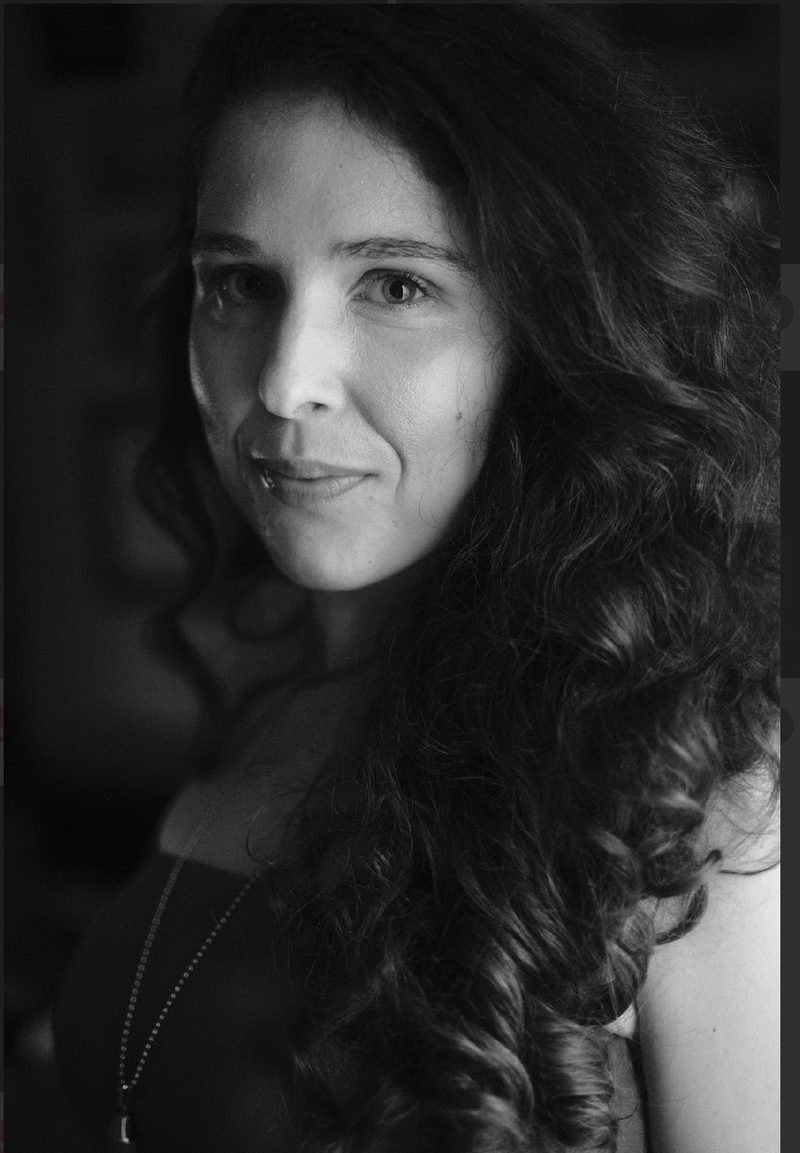
Aaron Todd is a Recovery Coach and Interventionist based in Asheville, North Carolina, working with individuals and families through addiction, mental health challenges, trauma, and major life transitions. That work is shaped by a personal recovery journey which began over a decade ago and continues to inform both daily life and professional practice.
The conviction underneath it is a simple one: within every rupture lies the possibility for repair. Recovery is not only about abstaining from substances or beating an addiction. It is about understanding the deeper story beneath it, and about asking why a person feels compelled to escape themselves, numb their experience, or disconnect from their body in the first place. Real recovery is an invitation into self-discovery, healing, and reconnection.
Aaron's goal as a coach is to build a relationship grounded in trust, safety, and genuine human connection. When people feel truly supported and resourced, they are better able to reconnect with the parts of themselves that addiction, and sheer survival, have forced into exile. The work makes space for those parts to come home, to be seen, witnessed, and integrated.
In practice that means learning something families rarely hear named out loud: how to feel safe in your own body, how to trust your own inner wisdom, and how to move through the ordinary tasks and responsibilities of a day with more confidence and more presence.
Aaron takes a holistic approach that treats mind, body, and spirit as interconnected rather than as separate problems to be solved in sequence. There are many pathways to recovery, and the right one is the one that resonates with a person's own experiences, values, and aspirations.
The focus is not only on helping someone stop a destructive behavior. It is on helping them build the internal and external resources to live fully: exploring the patterns and unmet needs that fuel addictive behavior, while cultivating the tools, relationships, and practices that make change last.
As a Recovery Coach and Interventionist, Aaron provides compassionate guidance, accountability, advocacy, family support, and care coordination throughout the recovery process. That might mean standing with a family through a professional intervention, helping a client build a foundation in early recovery, or walking alongside someone through a significant life transition. In every case the aim is the same: a steady, knowledgeable presence rooted in empathy, lived experience, and trust.
Families working with Clear Path often continue well past the intervention itself, through case management, treatment navigation, and family recovery courses. Recovery is not a single day. It is what happens in the weeks and months after it.
Professionally, Aaron brings deep listening, collaboration, and a commitment to lifelong learning. Personally, connection comes through travel, sitting with the waters, dancing, and being in community. Those practices are a standing reminder that healing is not a one-time event, but an ongoing process of returning home to ourselves.
You can meet the rest of the team on our interventionists page, or read about the full range of professional intervention services we offer families nationwide.
If your family is facing addiction or a mental health crisis and you are not sure where to start, start with a conversation. Call (850) 563-9776 or email brad@clearpathintervention.com. We provide free consultations and advice to every caller, and we treat every situation as if we were assisting a member of our own family. If someone is in immediate danger, call 911; for emotional crisis support, call or text 988.
One confidential conversation with a professional interventionist. No pressure, no obligation. We'll help you find the right next step for your family.